As AI compute demands surge, the signal path inside servers becomes critical. Denser boards, higher speeds, and tougher thermal environments demand smaller, more reliable connectors with excellent signal integrity.
Micro Pogo is purpose‑built for this. Its 3‑part design (plunger, spring, barrel) enables ultra‑compact dimensions, reduces PCB footprint, and delivers stable transmission. In signal integrity, high‑reliability contact, and micro‑nano manufacturing, Top‑Link competes with global leaders.
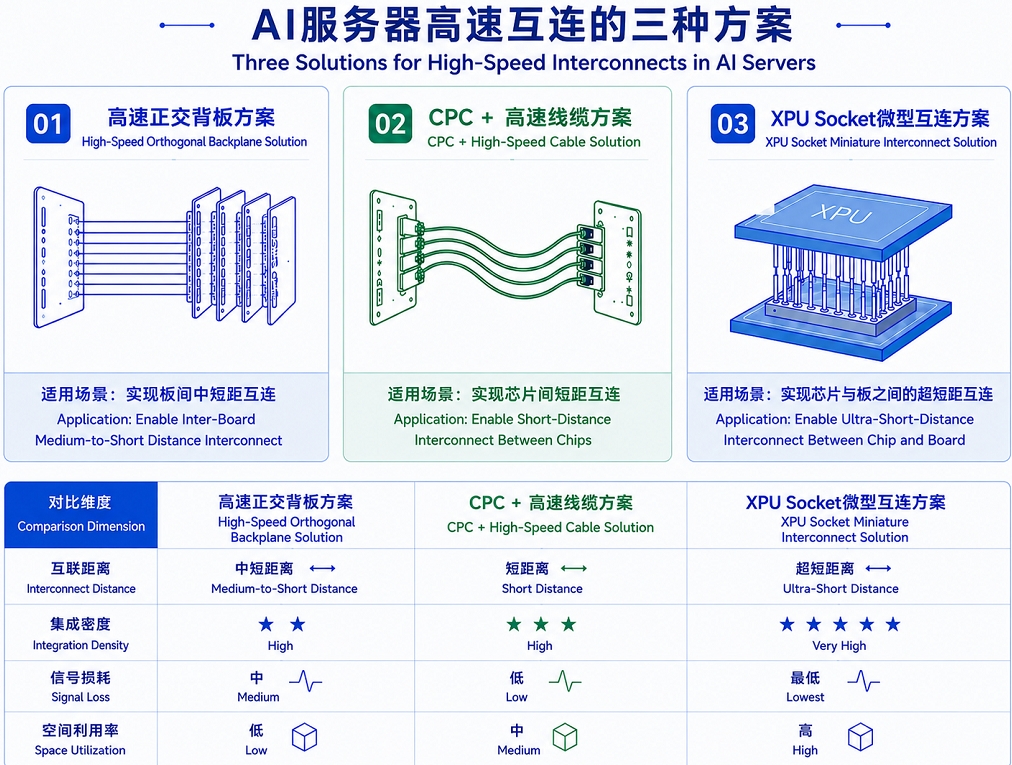
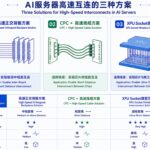
Three Key AI Server Applications
1. High‑Speed Orthogonal Backplanes
AI data centers are moving to orthogonal direct‑connect architectures to support 112G and 224G PAM‑4. Micro Pogo handles board‑to‑board and cable interface connections. Its elastic contact ensures reliable transmission across large compression strokes and suppresses high‑frequency resonances. Smaller size = shorter paths + lower insertion loss.
2. CPC + High‑Speed Cables
Co‑Packaged Copper (CPC) integrates copper cable connectors directly into chip substrates, bypassing PCB traces to beat SI challenges at 224Gbps and beyond. Micro Pogo works for cable module termination and board‑end elastic connections. High‑density pin capability and floating contact design accommodate thermal expansion and assembly tolerances.
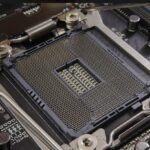
3. XPU Sockets
Reliable XPU‑to‑board connections are mission‑critical in AI clusters. Micro Pogo connects XPUs (GPU, CPU, accelerators) to motherboards. Its double‑ended design has become a go‑to for XPU sockets, supporting high‑density routing with a 0.35mm pitch. Robust elastic contacts ensure SI and reliability under vibration and thermal cycling.
Top‑Link has developed next‑gen board‑to‑board high‑speed interconnects that hit 224Gbps at 56GHz with PAM4 modulation. Our CNAS lab covers 95%+ of testing in‑house, from design validation to production.
Bottom Line
AI scaling demands interconnect scaling. Micro Pogo delivers verified high‑speed solutions for backplanes, CPC, and XPU sockets. With 20+ years of precision interconnect expertise, Top‑Link is ready for the AI era.